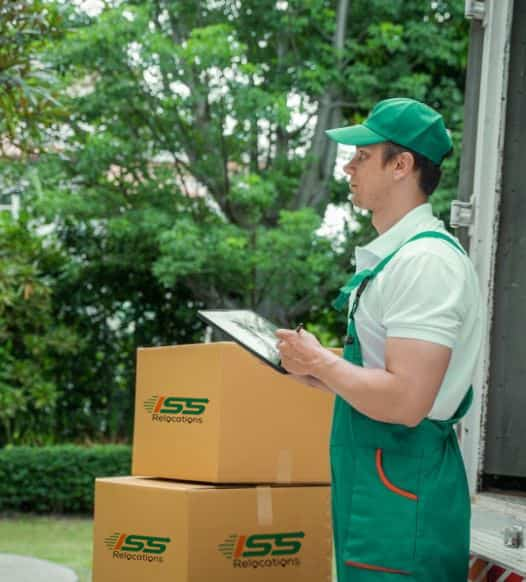
Best Services For Moving to Thailand from UAE
Planning Moving To Thailand from the UAE requires proper coordination, documentation, and reliable logistics. Moving To Thailand involves multiple steps, and working with an experienced international mover helps ensure a smooth and hassle-free relocation.
ISS Relocations provides complete relocation services from the UAE to Thailand, managing everything from professional packing and secure transportation to customs clearance and final delivery. Each stage of the move is handled carefully to ensure your belongings arrive safely and on time.
Thailand is a popular destination for expats due to its affordable lifestyle, strong tourism economy, and vibrant culture. Whether you are relocating for work, retirement, or personal reasons, having a structured relocation plan helps you avoid delays and unexpected challenges.
The relocation process includes export-quality packing, flexible air and sea freight options, and guidance on Thai customs regulations. Understanding documentation requirements and restricted items is important to ensure smooth clearance and avoid complications.
Benefits of Moving to Poland
- Affordable cost of living compared to many international destinations
- Strong expat communities in cities like Bangkok and Phuket
- High-quality healthcare services at reasonable costs
- Vibrant lifestyle with rich culture and cuisine
- Well-developed transportation infrastructure
- Attractive options for long-term stay and retirement
Get A Free Moving Quote Today
"*" indicates required fields
| Capital | Time Zone | Currency | Population | Official Language | Dialling Code | Emergency Number | Driving |
|---|---|---|---|---|---|---|---|
| Bangkok | GMT +7:00 | Thai Baht (THB) | Approx. 71.56 Million | Thai | +66 | 191 | On the left side |

Moving To Thailand – How to?
Moving to a new country requires several steps:
1. Determine the type of visa you need:
The most important step in moving to Thailand from UAE is to determine the right type of visa you require based on your purpose of travel. There is a wide range of visas, such as work visas, student visas, tourist visas, and retirement visas.
2. Apply to a university or get a job:
If you plan to study in Thailand, then you can apply to universities in Thailand, or if you plan to work there, then you can search for job openings online.
3. Obtain necessary documents:
Gather all necessary documents, such as confirmation of enrollment if you have applied to an educational institution or work permit if you have applied for a job in Thailand.
4. Accommodation:
Once you receive your visa, you must find a place to live. You can start your hunting for a house by finding a local real estate agent to help you find the right accommodation according to your budget.
5. Plan your move:
Once all the arrangements are in place, you can plan your move to Thailand from Oman. This may involve shipping your belongings and arrangements for transportation.
If you have decided to relocate to Thailand it can be a rewarding experience if done with proper planning and preparations.
We at ISS Relocation, the best international movers in Thailand, will take care of the logistics shipments and deliveries while you can focus on settling into Thailand.
ISS Relocations offers moving services to and from Thailand to:
Dubai, UAE Oman Qatar Bahrain Saudi Arabia Kuwait India
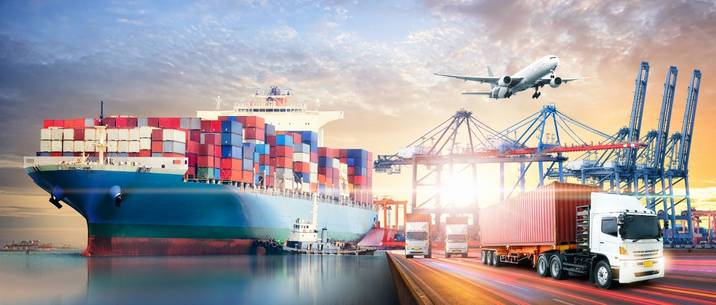
Streamlined Relocation to Thailand, Your Way
Make your move to Thailand easy with ISS Relocations. We handle the full process with care—from packing and documentation to final delivery—giving you peace of mind all the way.
Moving To Thailand Visa Requirements
There are several options for individuals looking to relocate to Thailand from Saudi Arabia. Here are some types of visas with their required documentation.
Non-Immigrant Visa
- The visa is for those individuals who intend to stay in Thailand for an extended period for work, study, or retirement.
The Non-Immigrant Visa category includes a work visa, study visa, business visa, and retirement visa.
This visa is valid for those seeking admission to universities in Thailand.
Documents required:
- Valid Passport
- Visa application form
- Recent Passport size Photograph (4cm x 6cm)
- Acceptance letter from the educational institution
- Academic transcripts
- Financial proof
- Medical certificate
- Police clearance certificate
If you plan to work in Thailand, you can apply for a work visa. The work visa allows you to work legally in a company in Thailand.
Documents required:
- Valid Passport
- Visa application form
- Recent Passport size Photograph (4cm x 6cm)
- Valid work permit issued by the ministry in Thailand
- Employment contract
- Letter from the employer stating your job position, salary, and duration of stay
- Financial Proof
- Police clearance certificate
- Medical certificate
Thailand also offers a special type of visa, which is an Elite visa. This option offers a long-term residency in Thailand for wealthy individuals who meet specific financial requirements. The visa allows you to stay in Thailand for up to 20 years and enjoy various benefits.
Documents Required
- Valid Passport
- Visa application form
- Passport-size photo (4cm x 6cm)
- Financial Proof
- Medical certificate
- Police clearance certificate
- Signed Contract – You must sign a contract with the Thailand Privilege Card Company Ltd, which manages the Elite visa program
With these documents, some additional documents may also be required depending on the type of visa you are applying for. We at ISS, the best moving company in Thailand, are here to help you with shipping and delivery logistics.
More Than Movers - We're Your Relocation Partners
Best Cities To Living In Thailand

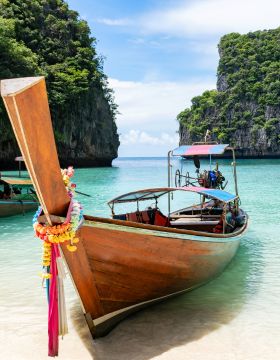


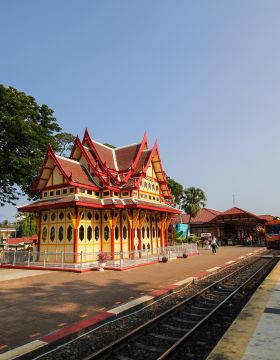
If you are planning to relocate to Thailand from India, here are some of the beautiful cities you can consider to live a calm and relaxing life:
Moving to Bangkok
Bangkok is the capital city of Thailand. Bangkok offers a mix of modern and traditional cultures with excellent dining, shopping, and entertainment options.
Moving to Phuket
Phuket is Thailand’s largest island and a popular beach destination. Phuket also offers a wide range of activities, from beach relaxation to island shopping.
Moving to Chiang Mai
Known as the “Rose of North,” Chiang Mai is a charming city in the north of Thailand, with a relaxed lifestyle, cultural activities, and an affordable cost of living.
Moving to Pattaya
Pattaya is home to a large expat community, which makes it a lively beach town famous for its nightlife and entertainment options.
Moving to Hua Hin
This peaceful seaside town is favored by retirees for its serene atmosphere, stunning beaches, and high-quality healthcare facilities.


Cost Of Moving To Thailand
The actual costs can vary depending on the circumstances and preferences of the individuals. The table below provides a rough estimate of the costs of moving to Thailand from Qatar.
| Item | Cost Estimate (in THB) |
| Visa and work permit fees | Varies depending on the type of visa |
| Airfare | 15,000 – 45,000 |
| Shipping/handling costs for belongings | 15,000 – 90,000 |
| Housing Deposit | 1-2 month’s rent |
| Monthly rent | 6,000 – 60,000 |
| Health Insurance | 1,500 – 4,500 |
| Initial setup costs (furniture, appliances, etc.) | 30,000 – 1,50,000 |
Housing In Thailand
Housing in Thailand is diverse and affordable. Apartments are the most common option for housing in urban areas. Condominiums offer more amenities and facilities than houses, such as a gym, swimming pool, and all-time security. Some landlords may require a security deposit or advance rent payment, which can increase the initial cost of renting property. The cost of housing in Thailand varies depending on the location, size, and property type.
| Type of Housing | Monthly Rent (in THB) |
| Studio Apartment | 5,000 – 15,000 |
| One-Bedroom Apartment | 10,000 – 30,000 |
| Two-Bedroom Apartment | 20,000 – 60,000 |
| Three-Bedroom Apartment | 30,000 – 1,00,000 |
| Small House | 15,000 – 30,000 |
| Large Villa | 1,00,000 – 5,00,000 |
HealthCare System In Thailand
Thailand has a high-quality and affordable healthcare system. The healthcare system in Thailand comprises both Private and Public, offering medical services to its citizens and residents.
- Public healthcare:
The public healthcare system is run by the government, providing the best medical facilities to its citizens and legal residents.
There are many public hospitals available throughout the country, providing medical facilities at an affordable cost. - Private healthcare:
Private healthcare is more expensive than public healthcare. They offer more comfort and amenities compared to public healthcare. - Health Insurance:
Though health insurance is not mandatory, it is recommended to have one as it covers most medical facilities costs. - Cost of Healthcare:
Compared to most Western countries, the cost of healthcare in Thailand is affordable but can vary depending on the type of service, like Public healthcare or Private healthcare facility.
Thailand’s universal healthcare system, Universal Coverage Scheme (UCS), was established in 2002. The Universal Coverage Scheme guarantees medical access to all Thai Residents irrespective of their income. The Universal Coverage Scheme receives the majority of its funds from the government collected via taxes. Though, the patients are obliged to make minor payments for the healthcare services they avail.
Under the Universal Coverage Scheme, the government has set up various healthcare centers and hospitals which ensure to administer primary health care.
Advanced medical treatments are provided by the Thai government at regional and national hospitals.
Thailand has an extensive network of nationwide healthcare centers, clinics, and hospitals. Thailand has over a thousand hospitals, amongst which 370 hospitals account for the public sector while private organizations fund the rest.
In conclusion, Thailand has a well-organized healthcare structure with a blend of public and private healthcare providers. Since establishing the Universal Coverage Scheme, every Thai citizen has convenient and affordable access to healthcare facilities. In contrast, private healthcare centers are vital in promoting medical tourism in Thailand globally.
Taxation In Thailand
The revenue code, introduced in 1941, runs Thailand’s taxation system. The revenue code is based on the principle of self-assessment, in which taxpayers must calculate their tax obligations and report it to the taxation authorities.
Thailand’s taxation system is categorized into direct and indirect taxes.
Direct taxes:
Direct taxes comprises personal income tax, corporate and business tax. An individual staying in Thailand for more than 180 days is obliged to pay taxes. The tax rates are based on the individual’s income level. Corporate tax is set at the prevailing rate of 20% on the net profits of companies registered in Thailand. Business taxes are imposed on hotels, restaurants, and various other businesses.
Indirect taxes:
The Thai government collects indirect taxes in the form of Value Added Tax standardized at a fixed rate of 7%. VAT is the value added to goods and services at every stage of production and distribution till it reaches the consumers. Excise tax is collected on goods such as tobacco, alcohol, and petroleum products. The Thai government collects customs duties on imported goods depending on the product type and country of origin. Stamp duties are collected on various agreements and contracts.
In general, Thailand has a simple taxation system administered to promote the country’s economic development. The Thai Revenue Department administers the system, collects taxes, and enforces tax legislation across the country.
Work Market In Thailand
The work market in Thailand is diverse and covers the manufacturing, tourism, finance, and agriculture sectors. The service industry is Thailand’s largest employer of labor, with the majority of the workforce engaged in this sector. The service industry is Thailand’s largest employer of labor, with the majority of the workforce engaged in this sector. Foreigners who wish to work in Thailand must obtain a work permit and comply with the labor laws and regulations of the country.
The Thai government has devised various strategies and has taken several initiatives to attract foreign investment and boost economic growth have led to the creation of new employment opportunities and improved prospects for highly skilled workers. Nevertheless, there is high competition in the job market, and having a good command of the Thai language is typically beneficial in numerous industries.
Education In Thailand
The Ministry of Education manages Thailand’s education system. It comprises six years of primary schooling, three years of lower secondary education, and three years of upper secondary education.
Thailand offers free of charge primary education to children aged between 6 to 11. The curriculum includes subjects such as Thai language, mathematics, science, social studies, physical education, and religious studies, and the students can opt for English as a second language.
Secondary education is provided at government-funded schools.
In Thailand, various public and private universities and colleges provide undergraduate and graduate degree programs. One must clear university-level examinations to get admission into UG and PG courses.
Moving To Thailand? Start Your Stress-Free Move Now!

FAQs – Moving To Thailand
What are the visa requirements for moving to Thailand?
The visa or immigration status required to live in Thailand depends on your nationality, purpose of stay and planned duration. Thailand has different routes for employment, business, study, family, retirement and other qualifying purposes. Current eligibility and application requirements should be confirmed through Thailand’s official e-Visa system, the relevant Royal Thai Embassy or Consulate-General, or another authorised Thai immigration authority.
How much does it cost to live in Thailand?
Living costs in Thailand vary considerably according to location, housing, transport, schooling, healthcare and lifestyle. Expenses in Bangkok and major tourist destinations can differ significantly from those in smaller cities and provinces. Anyone planning a relocation should research costs in their intended destination and prepare a budget based on their personal circumstances.
Can I bring household goods when moving to Thailand?
People changing their residence to Thailand may be eligible to import used personal and household effects with tax and duty relief when the applicable conditions are met. Eligibility depends on factors such as prior ownership and use, the timing of the shipment and the quantity of the goods. Certain items may be restricted, prohibited or subject to duties and permits. ISS Relocations can support packing, shipment documentation and customs-clearance coordination, while final import and duty decisions are determined by Thai Customs.
What is the language spoken in Thailand?
Thai is the principal language spoken in Thailand. English is also used in some business, tourism and international settings, although proficiency varies by location and individual. Learning basic Thai can make everyday communication easier for people planning to live in Thailand for an extended period.
How can ISS Relocations help with moving belongings to Thailand?
ISS Relocations can coordinate professional packing, air or sea freight, shipment documentation, customs-clearance support, storage and final delivery for international moves to Thailand. Pet relocation and other specialist services may also be available depending on the requirements of the move and the applicable Thai import regulations.
Is moving to Thailand from UAE worth it?
Whether moving from the UAE to Thailand is suitable depends on your employment or family circumstances, immigration eligibility, preferred destination, lifestyle and budget. Housing, transport, healthcare and everyday living costs vary between Bangkok, other major cities and different regions of Thailand. ISS Relocations can coordinate the practical moving and shipping arrangements once your relocation plans are confirmed.
How much does it cost to move to Thailand from the UAE?
The cost of moving from the UAE to Thailand depends on the volume of the shipment, shipping method, destination and additional services such as packing, storage, pet relocation or transit insurance. Sea freight is commonly used for larger household moves, while air freight can suit smaller or urgent consignments. ISS Relocations provides customized quotes based on the specific requirements of the relocation.
How long does it take to move to Thailand from the UAE?
Transit times from the UAE to Thailand vary according to the shipping method, carrier schedule, shipment size, customs processing and final destination. Air freight is generally faster and can suit smaller or urgent consignments, while sea freight is commonly used for larger household shipments. ISS Relocations coordinates the agreed shipment and provides updates throughout the moving process.
What relocation services are available when moving to Thailand from the UAE?
ISS Relocations can coordinate professional packing, air or sea freight, shipment documentation, customs-clearance support, storage and final delivery for moves from the UAE to Thailand. Additional services such as pet relocation, vehicle shipping, transit-insurance coordination and specialist handling may be available depending on the requirements of the move.
Our Membership & Affiliation