Best Services For Moving to South Africa from UAE
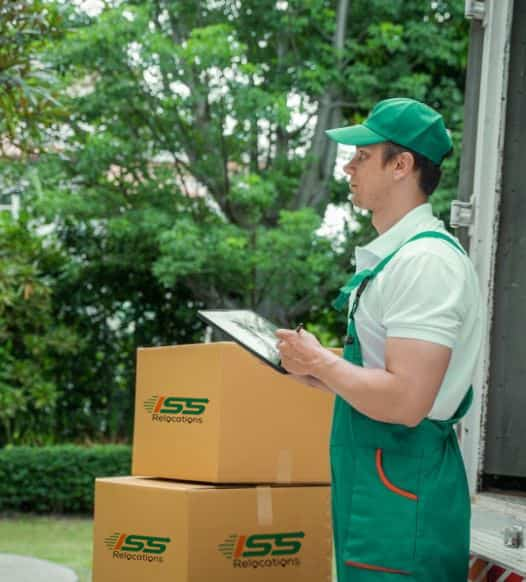
Planning Moving To South Africa from the UAE requires careful planning, accurate documentation, and reliable logistics support. Moving To South Africa involves international shipping, customs procedures, and destination coordination, so partnering with an experienced relocation company helps ensure a smooth and stress-free move.
ISS Relocations provides complete relocation services from the UAE to South Africa, including professional packing, secure transportation, customs clearance, and final delivery. Every stage of the move is managed efficiently to ensure your belongings arrive safely and on time.
South Africa is a popular destination for expats due to its growing business sectors, diverse landscapes, pleasant climate, and lifestyle opportunities. Whether you are relocating for work, business, family reasons, or long-term settlement, having a structured relocation plan helps avoid delays and unnecessary complications.
The relocation process includes export-quality packing, flexible air and sea freight options, and guidance on South African customs regulations. Understanding documentation requirements and restricted items is essential to ensure smooth clearance and timely delivery.
Benefits of Moving to South Africa
- Diverse lifestyle options from cities to coastal living
- Growing business and professional opportunities
- Pleasant climate in many regions
- Scenic landscapes and outdoor lifestyle
- Affordable living in many areas
- Rich multicultural environment
Get A Free Moving Quote Today
"*" indicates required fields
| Capital | Time Zone | Currency | Population | Official Language | Dialling Code | Emergency Number | Driving |
|---|---|---|---|---|---|---|---|
| Pretoria | GMT +2 | South African Rand (ZAR) | Approx. 65.45 Million | Zulu, Xhosa, Afrikaans, English, Northern Sotho, Tswana, Sotho, Tsonga, Swati, Venda, Southern Ndebele | +27 | 10111 | On the left side |

How To Move To South Africa from UAE
If you want to relocate to South Africa, you first need to get yourself a visa. If you first want to look at the country and get familiar with the people and places, you can also apply for a visitor visa. This way you can travel the country and get acquainted with the country.
Once you have finalized your decision, you can apply for one of the many temporary residence permits available for ex-pats in South Africa. You can get detailed information about the types of permits from the South African Embassy in your country.
You might also look up the online portal of the Department of International Relations and Corporation of South Africa for more details about immigrating to South Africa. There are 12 types of temporary residence permits offered by South Africa. These permits are provided to ex-pats depending on various factors like occupation, duration of stay, age, or the purpose of visit.
For error-free and stress-free moving, contact us at ISS Relocations. We provide various types of moving services ranging from pet relocation to warehousing in South Africa. We are always ready to assist you to the best of our capabilities wherever you want to move to and whenever you plan to move. ISS Relocations providing comprehensive moving services covering international relocation, pet relocation, car relocation etc.
ISS Relocations offers moving services to and from South Africa to:
Dubai, UAE Oman Qatar Bahrain Saudi Arabia Kuwait India
Expert Relocation Services to South Africa
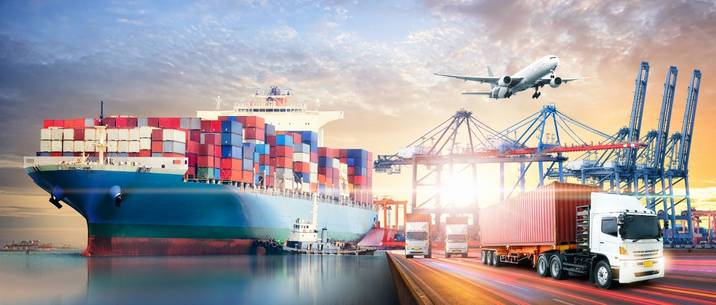
Moving to South Africa with ease. ISS Relocations takes care of packing, international transport, and customs handling—so your transition is efficient, safe, and stress-free.
Visa Requirements For Moving To South Africa from UAE
Apart from residence permits, there are also other types of permits that you need to apply for according to your needs. Following are the types of permits for immigrating to South Africa:
- Business permit: If an ex-pat wants to establish a new business in South Africa, they need to apply for a business permit. Moreover, they need to be registered under the Board or Council of Trade and with the South African Revenue Service. Some of the documents that are required to apply for this permit:
- A detailed business plan for your upcoming venture
- Investment of more than 2.5 million
- A detailed plan for hiring and employing at least 5 permanent residents or citizens of South Africa
- General work permit: If you cannot secure a quota work permit, then you can apply for a general work permit. You need to get your credentials verified under the Qualifications Authority of South Africa. You also need to submit a signed work contract and other documents stating your duration and purpose of stay in South Africa. Apart from this, you need to submit proof that no South African citizen is capable of filling your future position.
- Critical skills work permit: This work permit is assigned to ex-pats with exceptional skills or qualifications. You need to give proof of your skills in the form of recommendation letters from your former employer. You can also use testimonials given by acknowledged and trusted South African cultural or academic institutions.
- Intra-company transfer permit: As the name suggests, this format is issued to those ex-pats who are going to be transferred to a South Africa-based affiliate company. These ex-pats are former foreign company employees and need to attach the original employment contract and a written transfer certificate along with their application form.
We are one of the best moving companies in South Africa. We provide quality moving services for our customers. Our team of experts and visa consultants can also help you with your visa application process. You can talk to our experts to know more about the types of visas and the most suitable visas for you.
While some permits are for retirees, some are for exchange students and people undergoing medical treatments in South African healthcare facilities. If you want to apply for a residence permit, you need to submit the following documents along with the application form:
- Your passport
- Two blank pages in your passport
- DHA -1738 application form
- Birth certificate
- BI-811 medical report
- BI-806 radiology report
- Deposit for a return ticket or a valid round-trip ticket
- Proof of financial means (like bank statements)
- Police clearance certificate
More Than Movers - We're Your Relocation Partners
Best Cities To Living In South Africa


The three biggest cities in South Africa are Cape Town, Durban, and Johannesburg. Each city has something different to offer to ex-pats, be it the spectacular culture, beautiful nature, or savory food. All cities of South Africa vary from each other on various levels. Johannesburg is the largest city in South Africa and is also the biggest financial hub.
If you want to advance in your career, it is best to look for jobs in Johannesburg. Cape Town offers beautiful scenery with pristine coastlines, a Mediterranean climate, and exquisite greenery. After immigrating to South Africa, the City of Durban offers warm and beautiful beaches with clear coastlines.
Moving to Cape Town
Remains a popular choice for many, including expats, offering a high quality of life and stunning natural beauty.
Moving to Johannesburg
South Africa’s economic powerhouse, attracting a significant share of both internal and international migrants seeking job opportunities in various sectors.
Moving to Durban
Attracts people with its warm climate, beaches, and a lower cost of living compared to Cape Town and Johannesburg.
Moving to Pretoria
Offers a quieter, more relaxed lifestyle while still being close to the opportunities of Johannesburg, making it appealing to some expats and those seeking a calmer environment.


Cost Of Moving To South Africa
Moving to a new, unknown country is not an easy task. A lot of things need to be considered, including safety, living costs, education, healthcare, the work market, etc. Nevertheless, South Africa is a popular destination among ex-pats. South Africa offers an excellent work-life balance.
The following table gives an average account of living expenses in South Africa:
| Expense | Cost ($) |
|
Rent (Private Room vs Luxury Villa)
|
$400 – $2200+
|
|
Electricity
|
$50
|
| Water | $25 |
| Mobile Phone | $15 |
| Gas (gallon) | $4.16 |
| Internet | $63 |
| Eating Out | $6 – $70 |
| Groceries | $60 |
| Housekeeper (< 10 hours) | $120+ |
| Car or Scooter Rental | $217 – $630 |
| Gym Membership | $36 |
| Total | $992+ |
Housing In South Africa
South Africa is a lovely place to move to. It has three capital cities, including Cape town and Johannesburg. Compared to other European nations, the cost of living and housing in South Africa is quite affordable.
Housing is one of the most essential necessities that you need to fulfill while relocating. South Africa provides a variety of housing options that vary from city to city. Even the price ranges differ significantly across all South African provinces, cities, and suburbs. You can find any type of housing, from the Jacaranda-lined streets in the suburbs to posh apartments in major hubs, according to your budget, convenience, and taste.
Building homes in South Africa
Ex-pats are allowed to build their own homes in South Africa. Therefore, there are not many restrictions imposed on them in this aspect. However, the South African government provides no incentive to people to build their homes. While building your home, ensure that your contractor is registered under the National Home Builders Registration Council and complies with all the rules and standards devised by the Council. Make sure you register your home with the NHBRC at least 15 days before the construction starts.
Are you excited to move to South Africa but don’t know where to look for a good moving service? Well, ISS is always there to help you with packing and moving. In addition, we can help you with both emigrating from South Africa and emigrating/immigrating to South Africa. So, contact us today!
If you are an ex-pat and want to rent a house in South Africa, you are free to do so. In the suburbs, you don’t have to pay an expensive price to rent a flat. Renting a flat in the suburbs might cost you under R8000 every month.
Though the prices may vary from city to city, the average monthly rent for a 1 BHK apartment in the middle of Johannesburg is between R4000 to R11000. Whereas a 3 BHK flat near or in Johannesburg might cost you from R8500 to R30000. To get a better idea about the renting costs in South Africa, have a look at the following table:
| City | Renting Price (in ZAR) | Basic utilities (for 85m² apartment) |
|
Johannesburg
|
6771.15
|
ZAR1493
|
|
Cape Town
|
10732.97
|
ZAR1195.33
|
|
Durban
|
5317.24
|
ZAR1535.10
|
HealthCare System In South Africa
The private healthcare system of South Africa is on par with some of the best healthcare facilities around the United States and Europe. The healthcare institutions provide quality services and the healthcare workers are exceptionally trained and professional. This makes the treatment experience comfortable for ex-pats.
Moreover, many ex-pats come to South Africa, especially on medical visas to receive treatment. Every person in South Africa needs to pay for healthcare, irrespective of whether they are going to a public or private hospital. In public hospitals, there is a 3-tier fee system, which includes:
- partially subsidized patients
- full-paying patients
- fully subsidized patients
Johannesburg has the best hospitals in South Africa, however, there are some good private hospitals in other cities too including the Akasia Clinic in Pretoria, Curomed Medi-Clinic in Kimberely, Birchmed Surgical Centre in Birchleigh, and many others.
The amount of fee you need to pay in these hospitals depends on your residence status and income. This is one of the reasons why ex-pats are advised to opt for private health insurance. This reduces wait time and improves the level of care.
Taxation In South Africa
In South Africa, if you are a Non-resident then you need to pay income tax on any income that you receive from a South African source, this also includes the income received from a source that is deemed to be or considered South African. Moreover, the individual residents need to pay taxes on their worldwide income.
Non-residents need to pay the Capital gains tax when they sell a property. According to the latest amendments made in the tax system of South Africa, the personal income tax brackets were increased to 5%. You will also need to pay 8% more tax on excise duties on tobacco and alcohol.
Moreover, South Africa has double tax treaties with many countries including Japan, Saudi Arabia, Sweden, the United Kingdom, Thailand, UAE, the USA, and Australia. Following is a list of income rates for 2020-21:
| Taxable income (R) | National income tax rates |
|
0 to 205,900
|
18%
|
|
205,901 to 321,600
|
26% |
| 321,601 to 445,100 | 31% |
| 445,101 to 584,200 | 36% |
| 584,201 to 744,800 | 39% |
| 744,801 to 1,577,300 | 41% |
| 1,577,301 + | 45% |
Education System In South Africa
In South Africa education is compulsory for children from age 7 to age 15. All South African schools must be accredited by the Council for Quality Assurance in General and Further Education Training.
International schools are popular among ex-pats in South Africa. However, they tend to be on the expensive side and if you wish to go for boarding schools then they can cost you around R100,000/year. Though there are quite some employers who cover these costs for their employees, not all ex-pats have this privilege.
All international schools generally teach in English, which makes it easier for your child to adapt and communicate. There are many bilingual schools too where you can learn foreign languages and the native languages too. There are many language schools in South Africa too. Moreover, where the school year in public schools runs from January to December, the school year in international schools runs from August to June
Work Market In South Africa
The work market in South Africa is quite scarce, especially for an ex-pat. However, if you have the right skills then it won’t be difficult for you to find work in South Africa. According to a report, the unemployment rate in South Africa was 28.18% in 2019.
This is the main reason why finding employment for ex-pats is not easy, especially when it comes to unskilled and semi-skilled sectors. You only have a chance to find work in skilled sectors. Thus, it is better to get yourself a job offer before relocating to South Africa, since finding jobs in South Africa after moving there is almost impossible.
Following are some sectors where you can find yourself a job:
- Executive managerial
- Engineering
- Executive level mining
- Executive level finance
- Specialist & academic
Thus if you are skilled then you can go for engineering, academic, and artistic sectors. It is comparatively easy to find a job in these sectors and South African companies need highly skilled employees for the above positions. Moreover, you can also apply for a Critical Skills Visa, if you think your skill is important to the South African economy.
Moving To South Africa? Start Your Stress-Free Move Now!

FAQs – Moving to South Africa
How can I move to South Africa from the UAE?
The immigration route for moving from the UAE to South Africa depends on your nationality and purpose of residence. South Africa has visa categories for purposes including employment, business, study, family relationships and retirement. UAE passport holders are currently visa-exempt for qualifying visits of up to 90 days, but visitor entry does not by itself provide the right to live or work permanently in South Africa. Other UAE residents must follow the rules applicable to their passport nationality. Long-term immigration requirements should be confirmed with South Africa’s Department of Home Affairs.
Can I bring household goods when moving to South Africa?
People permanently changing their residence to South Africa may qualify to import eligible household furniture and personal effects without customs duty and VAT under the applicable customs rebate. The goods must be for the importer’s own use and cannot generally be disposed of within six months of importation. Returning South African residents generally need to have been outside South Africa for at least six months to qualify under the relevant household-effects rebate. Final eligibility is determined by the South African Revenue Service.
What documents may be required when moving household goods to South Africa?
South African Customs can require a detailed inventory of the household goods together with customs documentation including Form P1.160 for unaccompanied manifested household effects, Form DA 304 for household effects imported on a permanent change of residence, and the SAD 500 customs declaration. Passport, immigration-status and transport documentation may also be required depending on the shipment. ISS Relocations can coordinate packing lists, shipment documentation and customs-clearance support.
Can a foreign national work in South Africa?
Foreign nationals need immigration status that permits employment in South Africa. General work and critical-skills work visa applications are currently assessed under South Africa’s points-based system, with applicants required to meet the applicable points threshold and other prescribed requirements. Other work-related categories, including intra-company transfer arrangements, can have different conditions. Eligibility should be confirmed with the Department of Home Affairs before employment begins.
Can my family move to South Africa with me?
Family members may be able to accompany or join a person relocating to South Africa depending on the relationship, the main applicant’s immigration status and the visa category involved. South Africa has immigration routes for qualifying spouses, children and other relatives, but residence rights are not automatic simply because another family member is relocating. Each applicant’s requirements should be confirmed with the Department of Home Affairs.
Can I obtain permanent residence in South Africa?
South Africa provides several routes to permanent residence, subject to the requirements of the Immigration Act. For example, a person who has held a qualifying work visa for five years and has an offer of permanent employment may qualify under the direct-residence provisions. Certain spouses of South African citizens or permanent residents may also qualify after meeting the applicable residence and relationship requirements. Other permanent-residence categories have separate criteria, so eligibility should be checked with the Department of Home Affairs.
Are all household goods duty-free when moving to South Africa?
No. The customs rebate for a permanent change of residence applies to qualifying household furniture, personal effects and certain professional equipment for the importer’s own use. Motor vehicles, alcoholic beverages and tobacco products are excluded from the ordinary household-effects rebate and are subject to separate rules. Restricted or controlled goods can also require permits or additional declarations.
Can I bring my car when moving to South Africa?
A vehicle is not treated as ordinary household furniture under South Africa’s household-effects customs rebate. Importing a used or second-hand vehicle can require an import permit from the International Trade Administration Commission, separate customs documentation and compliance with South African vehicle-import requirements. SARS also uses Form DA 304A for motor vehicles imported in connection with a permanent change of residence. Vehicle eligibility should therefore be confirmed before shipment.
How much does it cost to move to South Africa from the UAE?
The cost of moving from the UAE to South Africa depends on the shipment volume, transport method, destination city, inland delivery requirements and additional services such as professional packing, storage, vehicle shipping or transit insurance. ISS Relocations provides customized quotations based on the specific shipment and relocation requirements.
How long does it take to move to South Africa from the UAE?
Transit times from the UAE to South Africa vary according to the shipping method, carrier schedule, destination port or airport, customs processing and inland delivery arrangements. Air freight is generally faster and can suit smaller or urgent consignments, while larger household shipments may require longer transport and handling times. ISS Relocations provides the applicable estimated schedule when arranging the shipment.
What relocation services are available when moving to South Africa from the UAE?
ISS Relocations can coordinate professional packing, international transportation, shipment documentation, customs-clearance support, storage and final delivery for moves from the UAE to South Africa. Additional services such as pet relocation, vehicle-shipping coordination, transit-insurance coordination and specialist handling may be available depending on the requirements of the move. ISS Relocations does not provide visa-processing, immigration legal services, job placement, property-purchase assistance or financial-planning services.
Our Membership & Affiliation